

Stone Retaining Walls
While their first duty is to provide stability and prevent erosion, which can damage expensive landscaping or even your home, they can also be a stunning visual element in your landscape design! Their attractive design and blended colors offer an alternative look to traditional retaining wall blocks. Freestanding and Retaining Wall Blocks can be used in curves, corners, terraces, raised patios, steps, and columns.
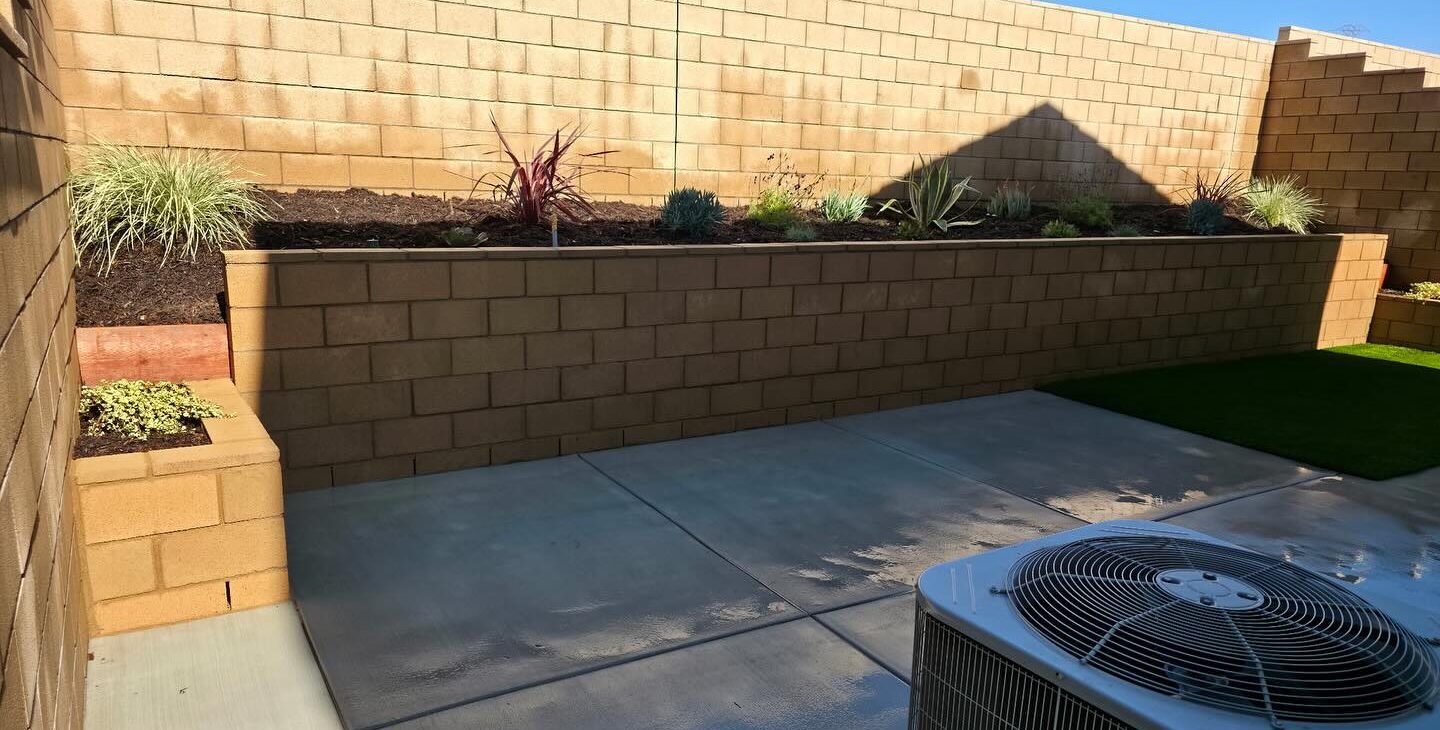
Structural & Decorative Retaining Walls
If the hills on your property prevent you from achieving some of your backyard dreams, there is a solution. When properly designed into your landscape design, Retaining Walls can be a workhorse with an attractive look. You can use them to level your turf to create a tiered patio, or you can flatten a hilly area.
Retaining walls provide both practical and aesthetic benefits, helping transform challenging landscapes into functional, attractive outdoor spaces. Whether you need to manage elevation changes, define planting areas, or create more usable space, a professionally designed retaining wall can become an important part of your landscape.
Common Retaining Wall Uses
Prevent Soil Erosion: Help stabilize sloped areas and reduce soil movement caused by water runoff.
Create Level Areas: Turn sloped sections of your property into usable spaces for patios, artificial grass, play areas, or landscaping.

Define Landscape Beds: Create attractive borders around gardens, trees, shrubs, and other planting areas.
Improve Drainage: Properly designed retaining walls can help manage water flow and reduce drainage problems.
Create Terraced Landscapes: Build multiple levels to add dimension and make better use of sloped properties.
Support Driveways & Walkways: Help stabilize areas around elevated driveways, pathways, and other hardscape features.
Enhance Outdoor Living Areas: Retaining walls can help create defined spaces for patios, seating areas, fire pits, and entertaining.
Add Visual Appeal: Decorative retaining walls can complement pavers, artificial grass, concrete, and other landscape elements.
Create Seating Walls: Certain retaining wall designs can double as attractive built-in seating around patios and outdoor gathering areas.
Increase Usable Yard Space: Make previously difficult or unusable portions of your property more functional.
Retaining Walls, Artificial Grass & Pavers
Combining retaining walls with artificial grass and pavers can create a cohesive landscape design. Retaining walls define elevations and planting areas, pavers provide durable walking and entertaining surfaces, and artificial grass adds a lush-looking, low-maintenance landscape element. Together, these features can transform a challenging yard into a beautiful and functional outdoor living space.
Retaining Walls: A Perfect Balance of Form and Function
Retaining walls offer the perfect balance of beauty and functionality, helping homeowners transform slopes, manage soil, define landscape areas, and create more usable outdoor space. A well-designed retaining wall can also become an attractive architectural feature that complements your home’s landscape.
Popular Types of Retaining Walls
Choosing the right type of retaining wall depends on your property’s slope, soil conditions, drainage needs, available space, and overall landscape design. Retaining walls can provide essential structural support while also adding attractive design elements to your outdoor space.
Gravity Retaining Walls: Use their own weight and mass to resist the pressure of surrounding soil.
Segmental Retaining Walls: Built with interlocking landscape blocks and available in a variety of colors, textures, and styles.
Concrete Retaining Walls: Provide a strong, durable solution that can be customized to complement modern and traditional landscapes.
Natural Stone Retaining Walls: Add an organic, timeless appearance that blends beautifully with surrounding landscaping.
Brick Retaining Walls: Provide a classic look that can coordinate with brick homes, patios, walkways, and other hardscape features.
Terraced Retaining Walls: Use multiple wall levels to manage significant slopes while creating additional usable landscape areas.
Decorative Retaining Walls: Combine structural functionality with design features that enhance the appearance of your yard.
Seat Walls: Designed at an appropriate height, retaining walls can incorporate seating into patios, outdoor kitchens, and entertaining areas.